
Détail de l’événement
The tradition of April Fools’ Day dates back centuries.Some believe it dates back to the 16th century, when King Charles IX decided to change the
Détail de l’événement
The tradition of April Fools’ Day dates back centuries.
Some believe it dates back to the 16th century, when King Charles IX decided to change the start of the year from March 25 to January 1.
Those who continued to celebrate the new year in April were called “April Fools” and were given jokes or pranks to remind them of the change.
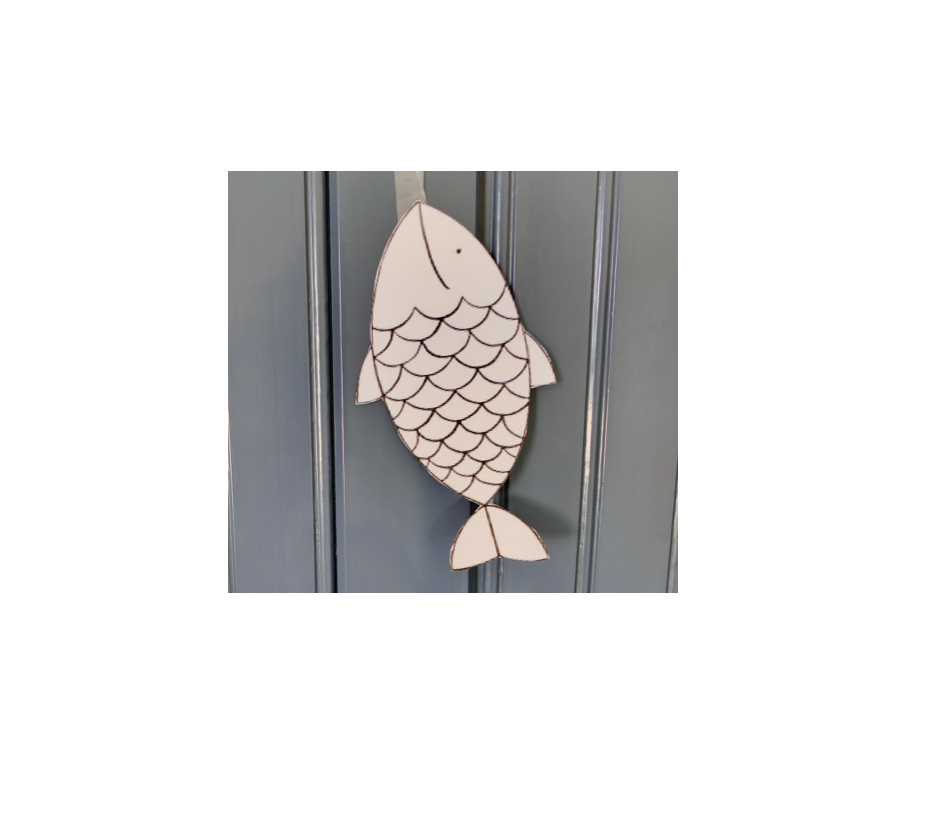
The tradition of April Fools’ Day then spread around the world, becoming a day dedicated to humor and pranks. Whether you’re pinning a paper fish to someone’s back or making up incredible stories, April Fools’ Day is a perfect opportunity to relax and laugh with loved ones.
Some historians believe that this custom may be linked to the end of Lent, a time when fish consumption was very common.
This period coincides with the end of March and the beginning of April, which may explain why the fish symbol has become emblematic of this day of pranks.
April Fools’ Day is also linked to the symbolism of fish in many cultures, representing fertility, good luck, and abundance.
Today, April Fool’s Day is celebrated in many countries around the world, each with its own variations on this tradition.
In France, it is common to hang a paper fish on people’s backs to play a trick on them.
In the United States, this day is known as “April Fool’s Day” and is marked by jokes of all kinds, from simple hoaxes to more elaborate pranks.
Social networks and the media have also adopted this tradition, often publishing fake news or humorous announcements on April Fool’s Day.
This makes the day even more fun, as you have to stay vigilant to avoid being tricked !
Source text Internet