

Calendar events and/or demonstrations and meetings organized by the association
Date
august
Event Details
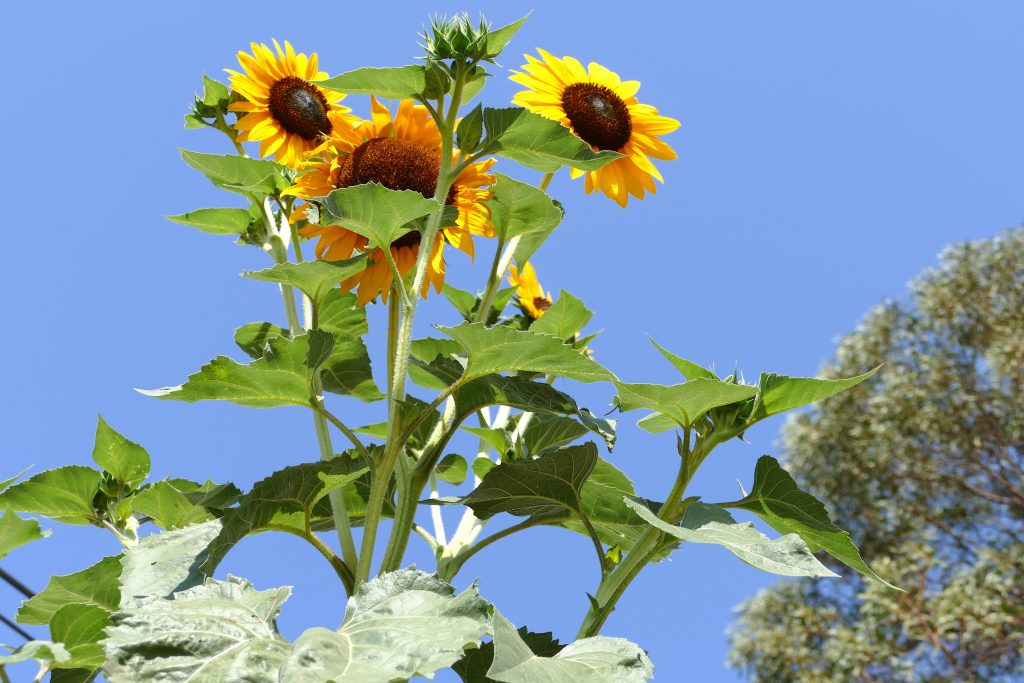
Sunflowers – Photo Hjlepetit A
Event Details
A SUMMER SERENADE
We’ve been waiting for it since September 22, 2025, and it’s finally back.
As every year, this beautiful season kicks off with a bang, since it has been a tradition since 1975 for its first day to coincide in the Northern Hemisphere with the Fête de la Musique (World Music Day).
So, let’s make the most of these 94 days ahead, let’s not deprive ourselves of the blue skies, the warmth of a restorative sun ; let’s forget the cold of winter without regret.
And at this time of year, perfect for holidays, whether they’re far away or in our beautiful France, take the opportunity to recharge your batteries with family or friends.
Happy holidays !
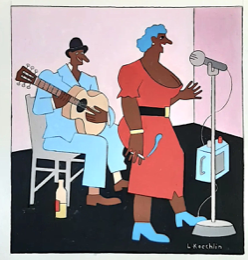
Musical couple
Illustration by Lionel Koechlin, available at www.lionel-koechlin.com
Chapelle de Saint-Maclou
Event Details
Father Materne will celebrate the Mass of the Assumption of Mary at the Chapel of Saint-Maclou on Sunday, August 16th
Event Details
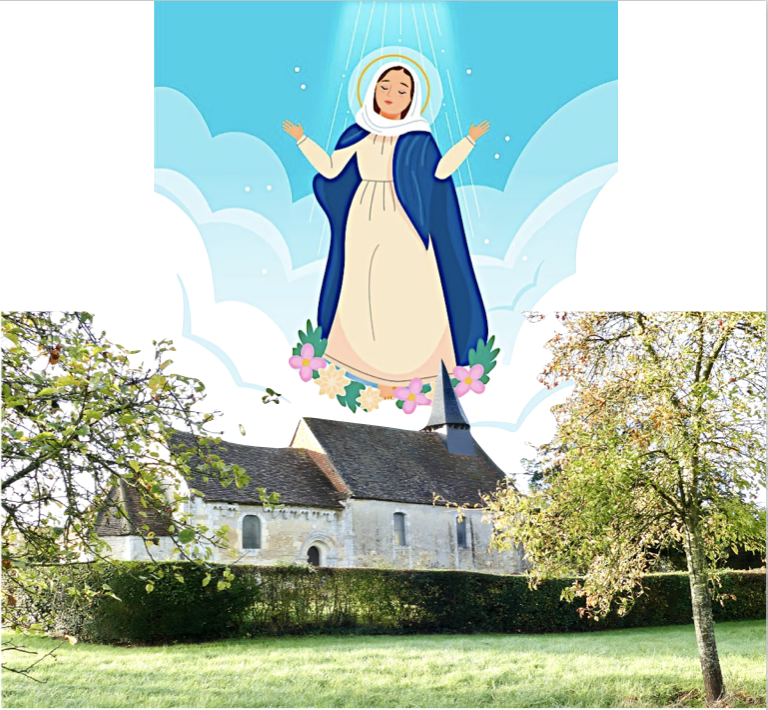
Father Materne will celebrate the Mass of the Assumption of Mary at the Chapel of Saint-Maclou on Sunday, August 16th at 5:00 PM.
The Assumption is the moment when the Virgin Mary, mother of Jesus Christ, ascended into heaven at the end of her life.
To share in this moment of grace during this holiday season, we hope for the presence of many faithful for the commemoration of this important Christian feast.
Friends of the Chapel of Saint-Maclou
PS : After the Epiphany in January and Saint Marcouf in May, this service is the third of the year to be celebrated in our chapel.
The last and fourth service of the year scheduled is the Mass for the Deceased on Monday, November 2nd at 4:00 PM.
Chapelle de Saint-Maclou
Organizer

september
Event Details
As part of the European Heritage Days, we invite you to join us at the Saint-Maclou Chapel on
Event Details
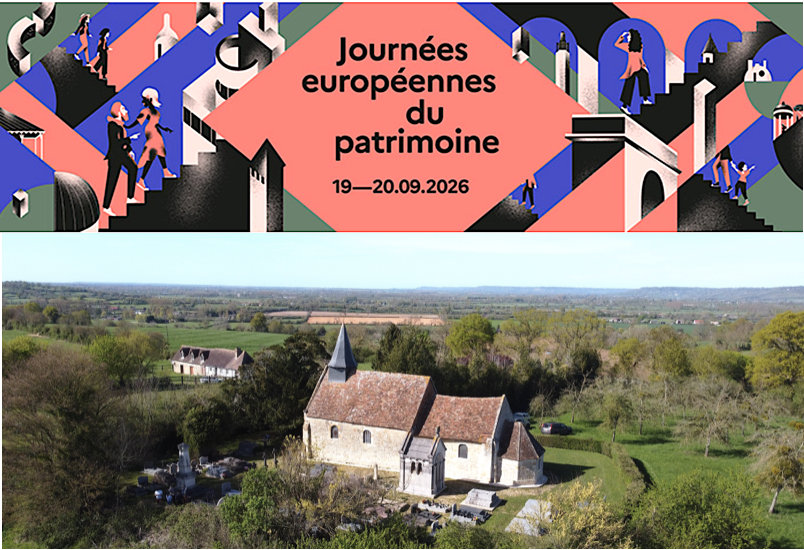
As part of the European Heritage Days, we invite you to join us at the Saint-Maclou Chapel on Saturday, September 19, from 2:00 PM to 6:30 PM.
These European Heritage Days offer us the chance to tell you about our chapel, share its history, and welcome you within walls that have withstood the test of time ; it is an opportunity to share the pride we take in caring for and cherishing a building that stands as a testament to our region’s history.
Following a guided tour accompanied by music, we will invite you to a reception where you can sample local Norman products.
We hope to see many of you there to share some of your time with us !
Free admission for all.
We look forward to welcoming you.