
To mark in your diary

Date
april 2026
Event Details
The tradition of April Fools’ Day dates back centuries.Some believe it dates back to the 16th century, when King Charles IX decided to change the
Event Details
The tradition of April Fools’ Day dates back centuries.
Some believe it dates back to the 16th century, when King Charles IX decided to change the start of the year from March 25 to January 1.
Those who continued to celebrate the new year in April were called “April Fools” and were given jokes or pranks to remind them of the change.
The tradition of April Fools’ Day then spread around the world, becoming a day dedicated to humor and pranks. Whether you’re pinning a paper fish to someone’s back or making up incredible stories, April Fools’ Day is a perfect opportunity to relax and laugh with loved ones.
Some historians believe that this custom may be linked to the end of Lent, a time when fish consumption was very common.
This period coincides with the end of March and the beginning of April, which may explain why the fish symbol has become emblematic of this day of pranks.
April Fools’ Day is also linked to the symbolism of fish in many cultures, representing fertility, good luck, and abundance.
Today, April Fool’s Day is celebrated in many countries around the world, each with its own variations on this tradition.
In France, it is common to hang a paper fish on people’s backs to play a trick on them.
In the United States, this day is known as “April Fool’s Day” and is marked by jokes of all kinds, from simple hoaxes to more elaborate pranks.
Social networks and the media have also adopted this tradition, often publishing fake news or humorous announcements on April Fool’s Day.
This makes the day even more fun, as you have to stay vigilant to avoid being tricked !
Source text Internet
Event Details
For our first gathering of spring, let’s celebrate Easter together at the Saint-Maclou chapel! On
Event Details
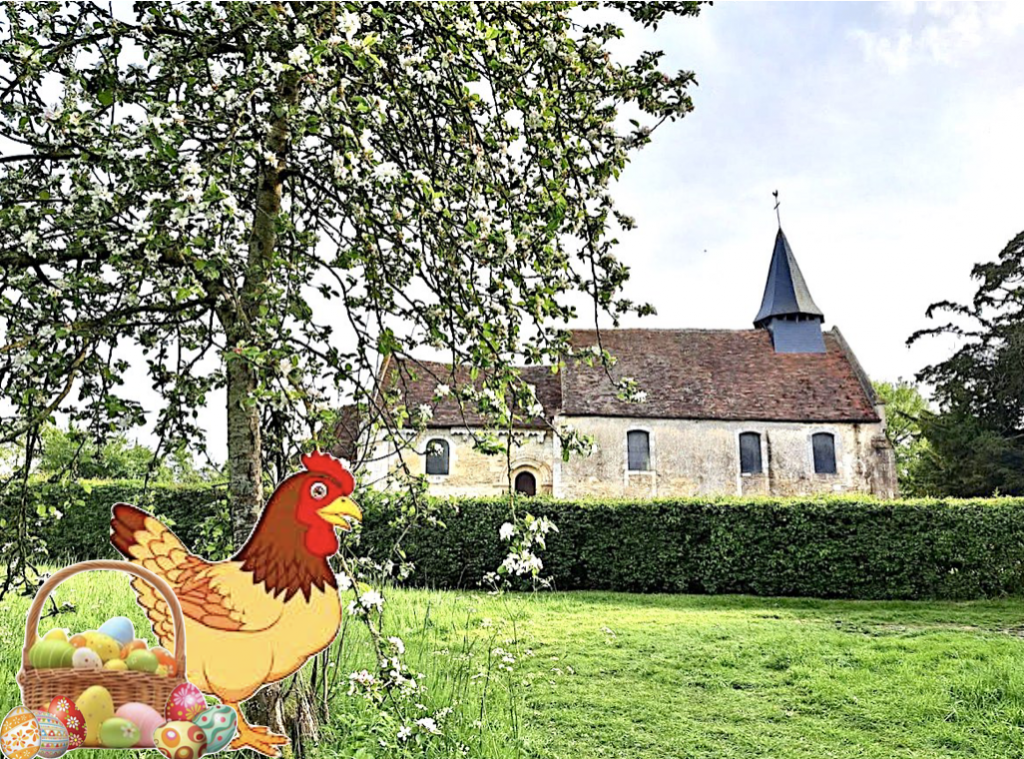
For our first gathering of spring, let’s celebrate Easter together at the Saint-Maclou chapel!
On this occasion, we invite the little ones to come and enjoy some chocolate eggs, and the adults to join us for a friendly drink and a tasting of local Norman products.
We look forward to seeing you and sharing this convivial moment.
Chapelle de Saint-Maclou
Organizer
Event Details
After the autumn cleanup, let’s make sure our chapel shines brightly with the arrival of warmer weather! Let’s
Event Details
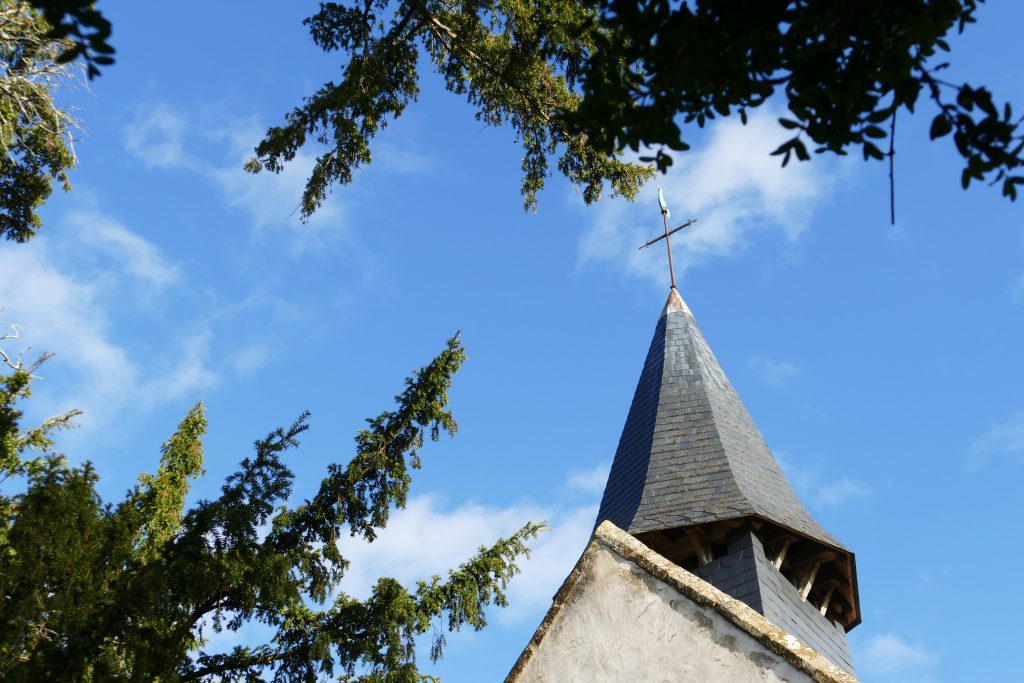
After the autumn cleanup, let’s make sure our chapel shines brightly with the arrival of warmer weather! Let’s dust it, protect its woodwork, and ensure it remains welcoming, with the scent of wax replacing the dampness we’ve been constantly battling. It’s quite a project, and it will bring us together again in our characteristic good spirits. If you’re available, you’re most welcome—a wonderful opportunity to get together, and for a good cause, no less! Cleaning products and utensils will be provided; just bring household gloves. For lunch, which we’ll all share, please bring your own picnic.
Chapelle de Saint-Maclou
Organizer
Event Details
On Saturday, April 25th at 4:30 pm, Father Materne will celebrate Mass in honor of Saint Marcouf.
Event Details
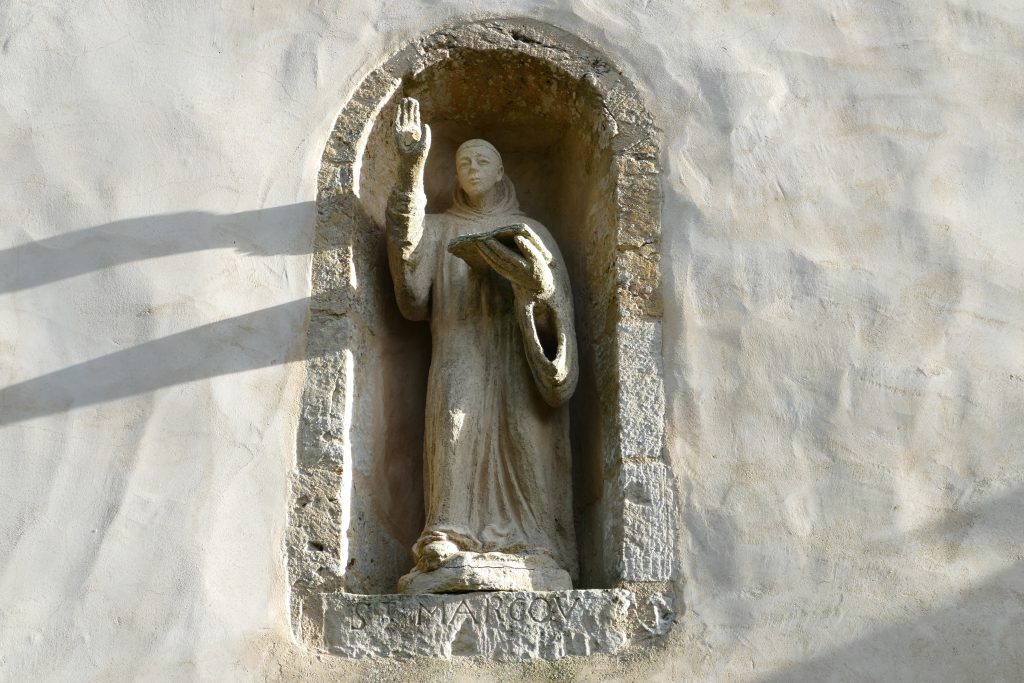
On Saturday, April 25th at 4:30 pm, Father Materne will celebrate Mass in honor of Saint Marcouf.
Saint Marcouf, whose feast day is celebrated in the Diocese of Bayeux-Lisieux, is represented in the Chapel of Saint Maclou, which has been dedicated to him since 1750. We therefore wish to thank him for his presence and honor him each year on his feast day.
After the Epiphany Mass, this traditional service is the second of the year at Saint Maclou.
Please note that the next services to be celebrated at the Chapel of Saint Maclou will be the Assumption of Mary on Sunday, August 16th at 5:00 pm, followed by the service for the deceased on Monday, November 2nd at 4:00 pm.
We would be delighted to welcome you to the Chapel of Saint Maclou for these services.
